
I remember the first time I used a voice assistant to set a reminder instead of typing it out manually. It felt like a tiny miracle. Something so small but so different from anything I had done before. That moment made me realize that the world was changing faster than most of us were paying attention to. Future tech is no longer something that belongs to science fiction movies or research laboratories hidden away from ordinary people. It is happening right now, in our pockets, in our classrooms, in our homes, and in the businesses being built by students just like you. If you are not paying attention to where technology is heading, you are already a step behind the opportunities that are quietly taking shape around you.
This article is not about overwhelming you with jargon or making technology feel intimidating. It is about helping you see the bigger picture clearly so you can position yourself smartly for what is coming next.
Understanding Future Tech and Why It Matters for Students
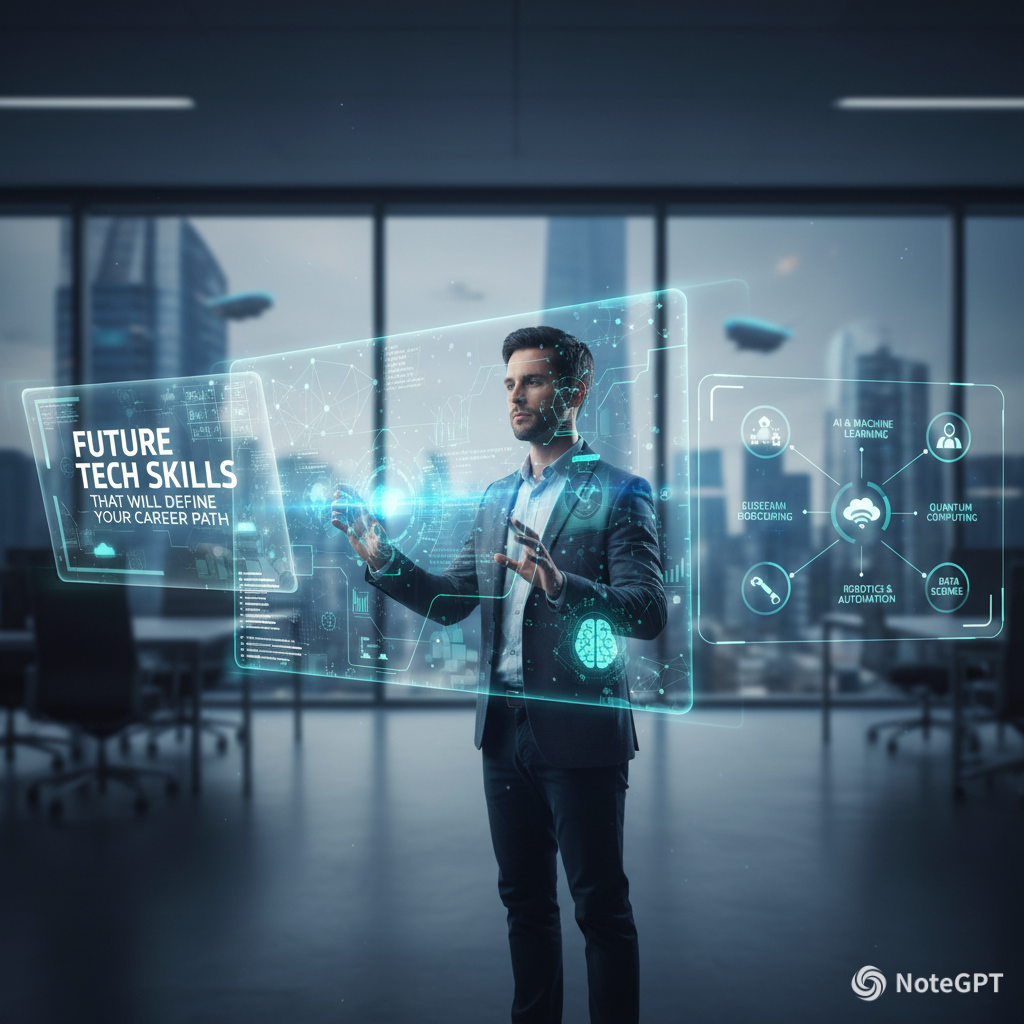
The phrase future tech covers a broad and exciting landscape of innovations that are either already emerging or expected to reshape entire industries within the next decade. We are talking about artificial intelligence and automation, quantum computing advancements, augmented reality and virtual reality, blockchain and decentralized systems, biotechnology and genetic engineering, and next generation connectivity and 5G networks all developing simultaneously and often intersecting with each other in ways that create entirely new possibilities.
For students this is not just fascinating trivia. It is career defining information. The jobs that will pay the best salaries ten years from now are being shaped by these technologies today. The businesses that will dominate markets in the future are being founded right now by people who understood early where things were heading.
I grew up thinking that being good at technology meant knowing how to fix a computer or write some basic code. That definition has expanded enormously. Today being tech literate means understanding how these emerging technologies and innovations work at a conceptual level, even if you never write a single line of code yourself.
Artificial Intelligence and Automation Are Already Here
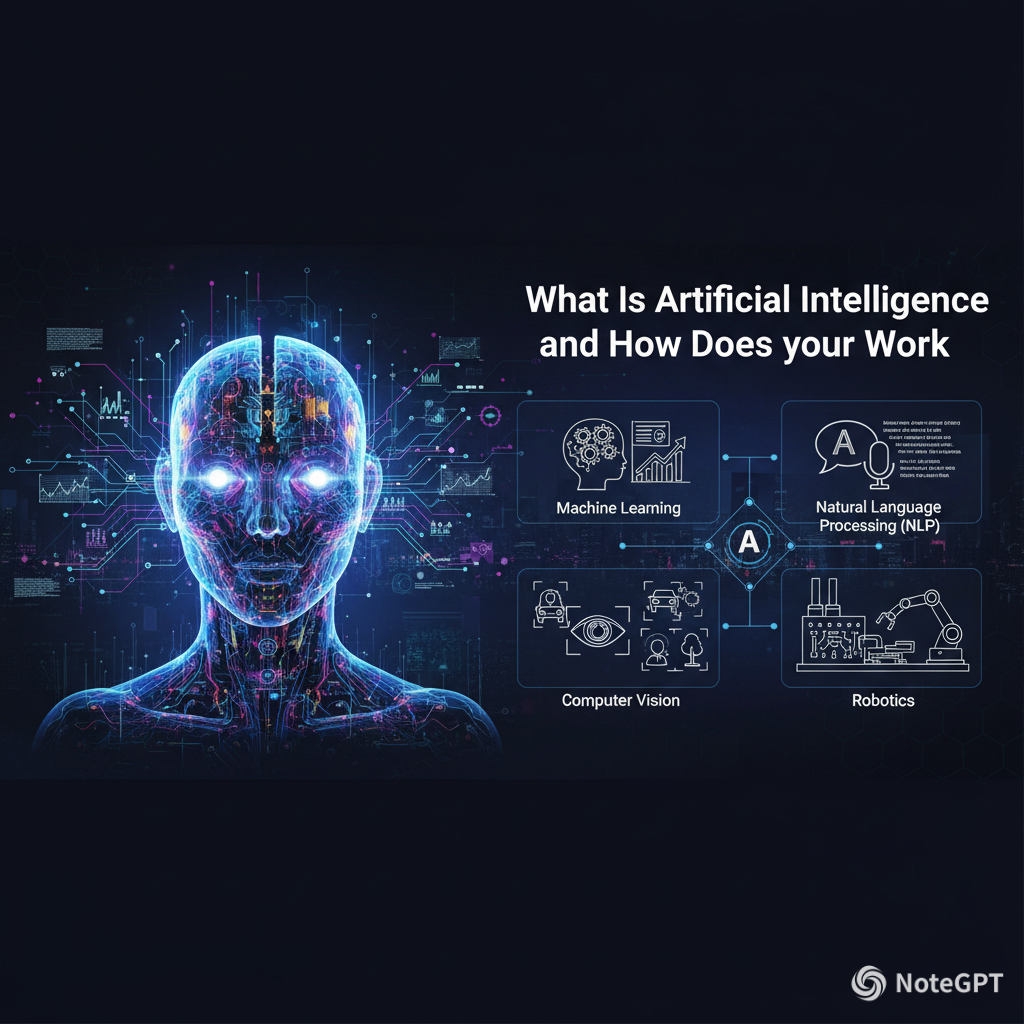
Let us start with the technology that is generating the most conversation right now. Artificial intelligence and automation are not future concepts. They are present realities that are already changing how we work, learn, shop, communicate, and make decisions every single day.
When a streaming platform recommends a show you end up loving, that is AI. When a bank flags a suspicious transaction on your account before you even notice it, that is AI. When a hospital uses software to detect early signs of disease in a medical scan, that is AI doing something a human might miss.
For students the most important question is not whether AI will affect your future. It definitely will. The question is how you position yourself in relation to it. People who understand how to work with AI tools, use them effectively, and apply them creatively in their field will have a significant advantage over those who ignore them entirely.
At tekvairo.com we consistently encourage young people to start experimenting with AI tools right now, not to become engineers necessarily, but to develop familiarity and fluency with technology that is rapidly becoming as fundamental as knowing how to use a spreadsheet.
Quantum Computing Advancements and Why They Are a Big Deal
Quantum computing sounds impossibly complicated and honestly at the deepest technical level it is. But the basic idea is worth understanding because the implications are enormous. Traditional computers process information in binary, ones and zeros. Quantum computers use quantum bits which can exist in multiple states simultaneously, allowing them to solve certain types of problems millions of times faster than any computer that exists today.
What does that mean in practice? It means encryption methods that currently protect our financial systems and personal data could become breakable. It means drug discovery that currently takes decades could happen in years. It means optimization problems in logistics, climate modeling, and financial markets could be solved in ways that are simply impossible right now.
We are still in the early stages of quantum computing advancements but the pace of progress is accelerating. As a student you do not need to understand the physics behind it. You do need to know it is coming and start thinking about how it might affect whatever field you are planning to enter.
Augmented Reality and Virtual Reality Are Changing How We Experience Everything
Remember when virtual reality felt like an expensive gimmick for gaming enthusiasts? That perception is shifting rapidly. Augmented reality and virtual reality are finding serious applications in education, healthcare, retail, real estate, and professional training in ways that are genuinely transforming those industries.
Medical students are practicing surgeries in virtual environments before they ever touch a real patient. Architects are walking clients through buildings that have not been constructed yet. Retailers are letting customers try on clothes or visualize furniture in their homes before purchasing. Teachers are taking students on virtual field trips to historical sites and distant planets.
The analogy I always use is this. Think of augmented reality and virtual reality as the difference between reading about swimming and actually getting in the water. The experiential quality of learning and decision making changes completely when you can see, feel, and interact with something rather than just reading or watching it.
For student entrepreneurs this represents an enormous opportunity. The tools to build AR and VR experiences are becoming more accessible and affordable every year and the demand for creative applications is growing faster than the supply of people who know how to build them.
Blockchain and Decentralized Systems Beyond Cryptocurrency
Most students first hear about blockchain in the context of cryptocurrency and walk away thinking it is either the future of money or an elaborate scam depending on who they talked to. The reality is more nuanced and more interesting than either extreme.
Blockchain is fundamentally a way of recording and verifying information across a distributed network without needing a central authority to manage it. Yes cryptocurrency is one application of that technology. But blockchain and decentralized systems are also being used to verify supply chains, secure medical records, protect intellectual property, enable transparent voting systems, and create new models of digital ownership.
The concept of decentralization matters because it removes single points of failure and single points of control. In a world where trust in institutions is increasingly complicated, technology that enables transparent and tamper-resistant record keeping has obvious value across countless industries.
The Internet of Things Smart Devices and the Connected World
Your smartwatch tracking your heart rate. Your refrigerator notifying you when you are running low on groceries. A factory floor where machines communicate with each other to optimize production in real time. These are all examples of Internet of Things smart devices in action.
The Internet of Things refers to the growing network of physical objects embedded with sensors, software, and connectivity that allows them to collect and exchange data. By 2030 the number of connected devices worldwide is expected to reach tens of billions creating infrastructure that will underpin smart cities, precision agriculture, intelligent healthcare, and advanced manufacturing.
For students interested in entrepreneurship this is one of the most fertile areas for innovation. Many of the problems that IoT could solve in developing markets like smarter water management, more efficient energy use, and better crop monitoring are still waiting for the right founders to tackle them.
Renewable Energy and Green Technology as a Business Opportunity
Future tech is not only about digital innovation. Renewable energy and green technology represent one of the largest economic transformations in human history and they are creating enormous opportunities for students who pay attention.
Solar energy costs have dropped by more than ninety percent over the past decade. Electric vehicles are moving from luxury products to mainstream transportation. Carbon capture technology, green hydrogen, and sustainable materials science are attracting billions in investment annually.
The founders who will build the most important companies of the next generation are not only going to be in software. Many of them will be at the intersection of technology and sustainability solving problems that affect billions of people while building incredibly valuable businesses in the process.
Biotechnology and Genetic Engineering Are Rewriting the Rules
This one tends to either fascinate people or make them slightly uncomfortable. Biotechnology and genetic engineering are advancing at a pace that would have seemed impossible just a decade ago. Gene editing tools now allow scientists to make precise changes to DNA with a level of accuracy that opens up possibilities in medicine, agriculture, and materials science that were purely theoretical not long ago.
From developing personalized cancer treatments to engineering crops that can survive drought conditions to potentially eliminating inherited diseases, the applications of biotechnology are staggering in their scope. And like every other area of future tech, it is creating new career paths and business opportunities that simply did not exist before.
Positioning Yourself for a Future Tech Driven World
Here is the part of this conversation that matters most for you as a student right now. You do not need to master every single technology on this list. That would be impossible and unnecessary. What you do need is a genuine curiosity about how the world is changing, the habit of staying informed, and the willingness to build skills that remain relevant as the landscape evolves.
Next generation connectivity and 5G networks are making everything faster and more connected. Space exploration and commercial spaceflight are opening industries that sound like science fiction but are hiring engineers and business professionals right now. The breadth of opportunity is genuinely extraordinary for anyone willing to lean into it.
Tekvairo.com was built around the belief that students in every corner of the world deserve access to clear, honest, and practical information about the forces shaping their future. Future tech is one of the most powerful of those forces and understanding it is not a luxury anymore. It is a necessity.
Start small. Pick one technology from this article that genuinely interests you. Spend thirty minutes this week learning more about it. Follow people who are working in that space. Let your curiosity lead you somewhere useful.
The future belongs to the curious. And the best time to start paying attention is always right now.
FAQ
What is future tech and why should students care about it? Future tech refers to emerging technologies like AI, quantum computing, and blockchain that are reshaping industries. Students who understand these trends early are better positioned for careers and business opportunities.
Which future technology will have the biggest impact on jobs? Artificial intelligence and automation are expected to have the most immediate and widespread impact on employment, eliminating some roles while creating entirely new categories of work.
Do I need a tech background to take advantage of future tech trends? No. Many opportunities in future tech are in business, design, communication, and policy. Understanding the landscape conceptually is often more important than deep technical expertise.
How can a student in Pakistan benefit from future tech opportunities? Pakistan has a growing tech ecosystem and strong demand for digital skills. Students who develop expertise in AI tools, blockchain applications, or green technology will find both local and global opportunities.
What is the best way to stay updated on future tech developments? Follow reputable tech publications, subscribe to newsletters from industry leaders, join online communities focused on emerging technologies, and experiment with new tools as they become available.







Leave a Reply